How do I get started?
The first step is to do research. Decide what types of children's books that you want to write, and then go to bookstores and see what
the most current books are like in that style or category. Great writers are well-read. Your reading needs to be devoted to the latest
children's books so you can know what today's readers enjoy and to have a better feel for what editors and agents are looking for.
After you have read and studied as many of these books as you can find, then check out the Writer's Digest book, Children's Writer and Illustrator's
Market. This book contains all the basic information and etiquette on how to submit stories to agents and publishers. It also has a listing of all of
the children's book agents publishers with their policies toward accepting manuscripts for consideration. Another great resource is Harold
Underdown's "The Complete Idiot's Guide to Publishing
Children's Books."
Another step in your quest to writing children's book should be to attend writing
conferences. Not only can you learn a lot of important aspects of writing for children at
conferences that will help your writing career, but writers' conferences also give you the
opportunity to meet editors from publishing houses, agents, and other authors.
If possible, you should also consider joining a critique group. To become a better writer, you need objective feedback on your writing.
Critique groups can help you improve your writing skills and help you discover essential
elements that might be missing from your stories. You can
find information on critique groups local to your area through your
local chapter of SCBWI. Visit SCBWI.org for contact information on your
local chapter. Your local library might also have information on critique groups in your area.
I have no artistic talent and I don't know anyone who can illustrate my picture books, what do I do?
Children's book authors don't need to worry about creating the illustrations for their books. In fact, the majority of publishers,
if not all, do not want authors to submit illustrations with their stories unless the author is also a very talented illustrator. When you submit a story for
publication, it needs to be able to stand on its own merits. If the publisher decides to buy your story, the publisher will then decide who will
illustrate it.
Do I need an agent?
It depends on who you ask. This has been a long debated question, but since a growing number of publishers only accept submits submissions from agents it's getting harder and harder to make it without an agent. That said, there are pros and cons in having an agent and in not having
an agent. It really depends on what you want the agent to do for you.
-Agents can help you get your first publishing break. However, some writers feel that it is harder to get a "good" agent
than it is to sell a excellent story on your own to a publisher. I've sold all my books to publishers without using an agent. Still, I know
the process would be easier if I had an agent helping me.
-Agents can help you negotiate your contracts. If you're not comfortable negotiating your publishing contracts or if you simply
don't want to, a "good" agent can be invaluable in this area. If you have no fear or if you want to negotiate your own contracts, there are plenty
of resources on the Web and books that you can buy that can guide you in your contract negotiations.
-Agents can help propel your writing career. In my opinion this is the best reason for getting an agent. However, not all agents
can help propel your career. Most good agents know the publishing industry and have
contacts at the major publishing houses, but you'll need to do your research to
see if the agent your evaluating has the influence and capability to really help
you build your career. Of course, before an agent can do anything for you, you
have to have the writing skills and talents to back up that successful writing career.
The bottom-line is that you don't necessarily need an agent to have a successful writing career, but being able to get the
right agent can definitely help your career. But don't forget, no agent is better than a bad agent.
Is it okay to submit a story to more than one agent or publisher at a time?
It depends. Some won't accept any simultaneous submissions, while others don't care. You simply need
to find out their submission policies by looking on their web site.
If you do submit a to publisher simultaneously, as a courtesy you need to inform the publisher
that it is a simultaneous submission.
What's the best thing I can do to get my first break in selling a story?
Don't stop writing. Write all the time. After you finish a story, start on a new one. The more you write, the better
your writing will become. It can take several years of writing tons of stories and
receiving tons of rejections letters before you have the skills or insights or
whatever it takes to write a story that will be noticed and wanted by an agent or publisher.
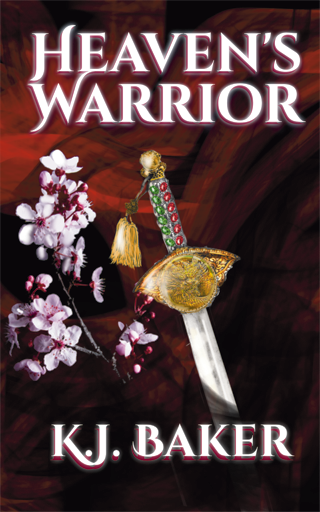
Heaven's Warrior cover by Ken Baker
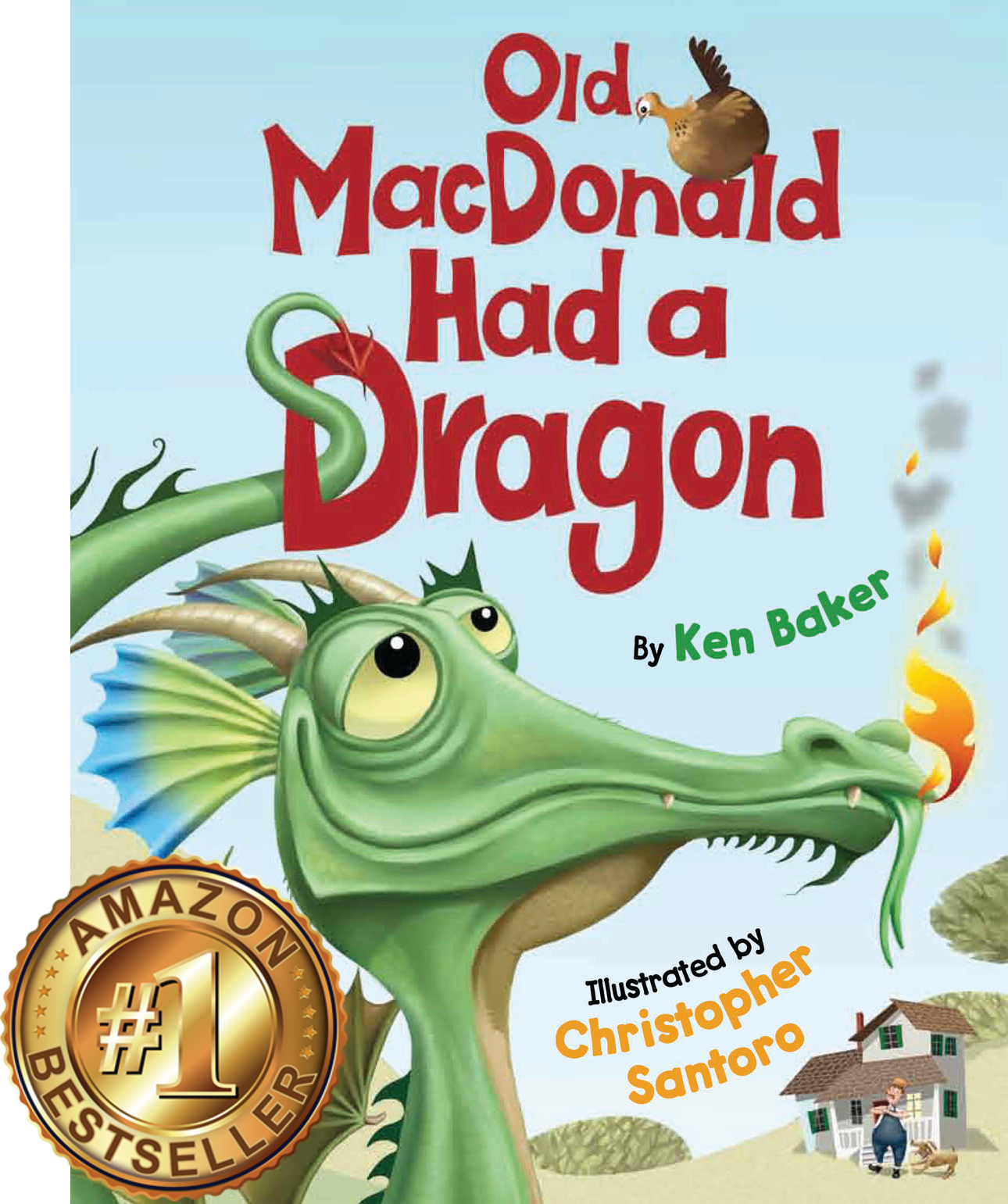
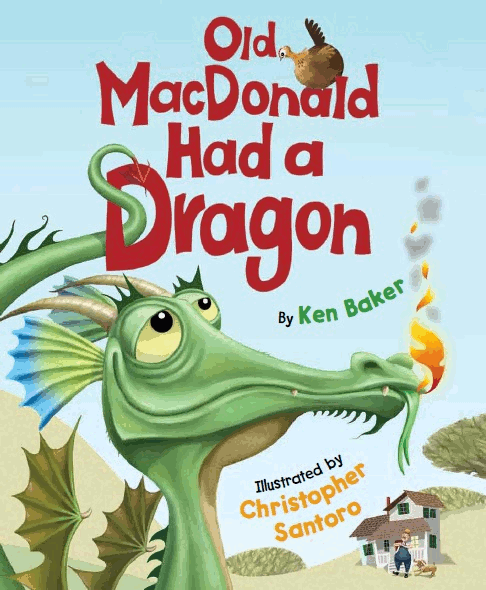
Old MacDonald had a Dragon pictures by Christopher Santoro
Brave Little Monster pictures by Geoffrey Hayes
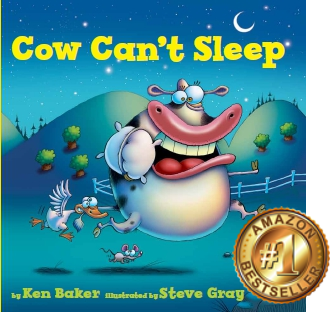
Cow Can't Sleep pictures by Steve Gray
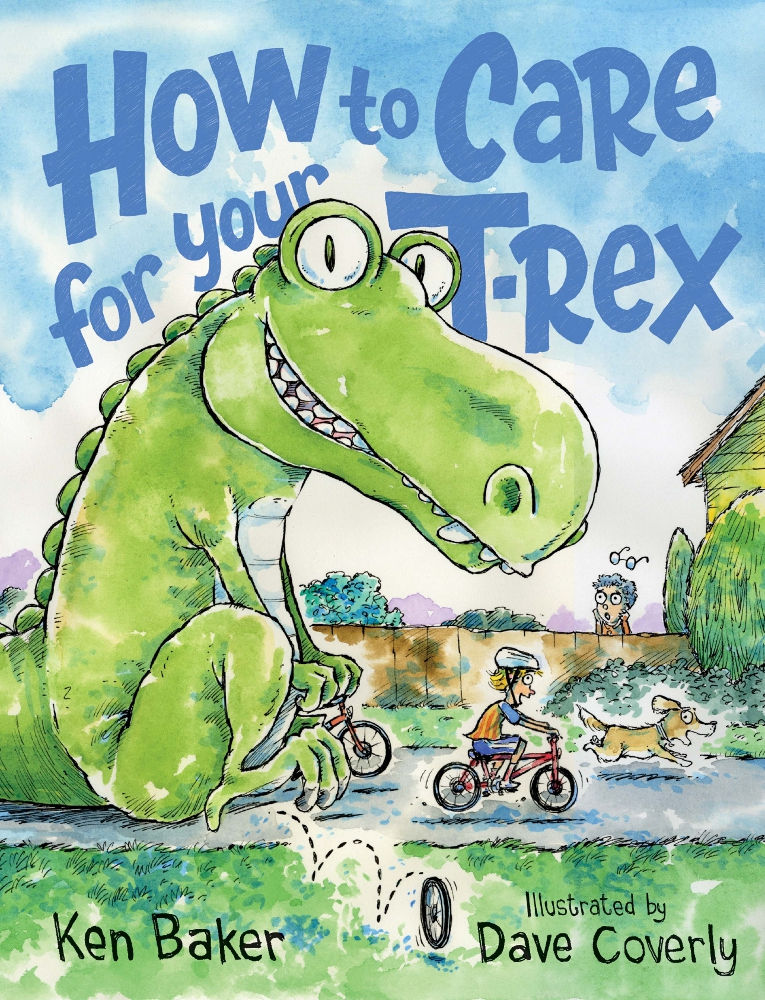
How to Care for your T-Rex pictures by Dave Coverly






 Connect


 Subscribe