

-
Share





 Connect


 Read
Read
 Subscribe

Connect
Read
Subscribe
Compare and Contrast lesson plan materials:
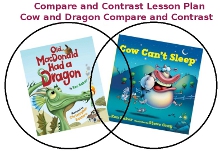
Compare and Contrast lesson plan activity time: 20-60 minutes, depending on use of optional exercises. If all sections are used, lesson can be divided into separate sessions if desired.
Objective of Compare and Contrast lesson plan: Help teachers achieve common core standards for comparing and contrasting, by teaching students how to compare and contrast using characters and elements of two different picture books.
Step 1 - Introduce Comparing and Contrasting
Discuss the concept of comparing and contrasting.
Comparing: Explain to the students that comparing is when you identify things that
are alike or similar between two or more things. For example, you could compare a granola bar and a candy bar, asking the students to suggest
ways that the bars are similar. Their responses might include rectangular, edible, sweet, brown, etc.
Contrasting: Explain to the students that contrasting is when you identify things
that are not alike or that different between two or more things. You can use the granola bar versus candy bar example again, but ask
students to suggest how they re different.
Step 2 - Compare and Contrast Picture Books
Tell the class that you re going to
read them two different picture books and that you want them to think
about ways the books are similar and different as you read them the
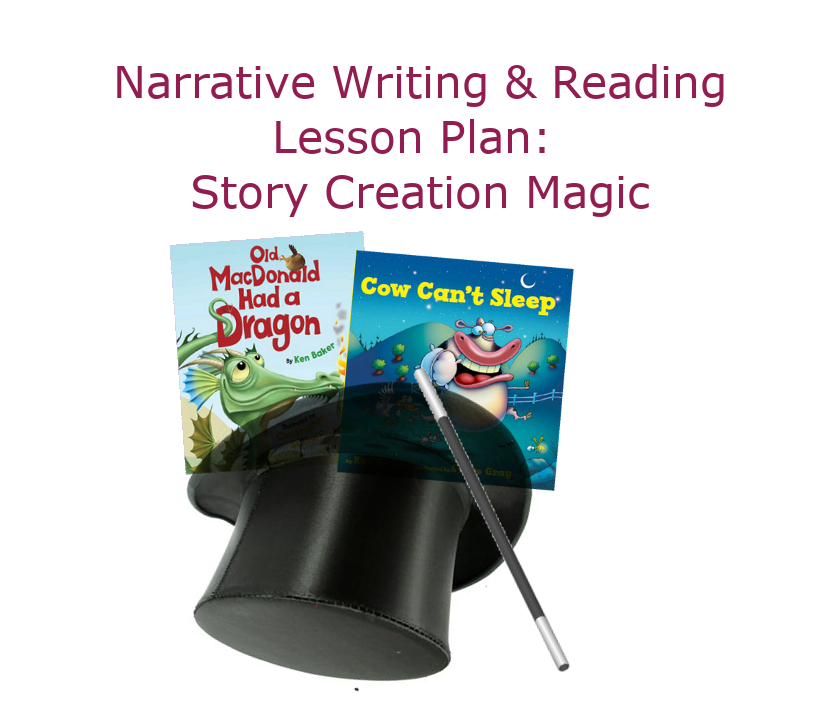
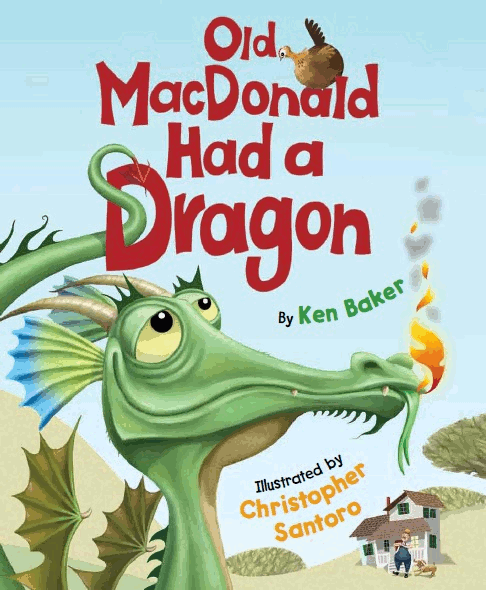
stories. Read to the class the picture book Old MacDonald had a Dragon,
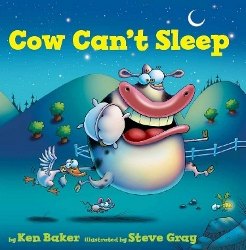
followed by reading the picture book Cow Can t Sleep.
After reading the stories, write Alike on the top middle of your
chalkboard. Then write Old MacDonald had a Dragon differences on the
top left and Cow Can t Sleep differences on the top right. Ask the
students to name things that were similar between the two books and
write those on the chalkboard under Alike . Responses might include
things like Farm, Farmer, Cow, Pig, Sheep, Funny, etc. Next, ask how
the stories are different. Differences for Old MacDonald had a Dragon
might include Dragon, Motorcycle, Dog, Guitar, Daytime, Singing, Burp,
Lifelike Pictures, etc. Differences for Cow Can t Sleep might include
Horses, Ducks, Nighttime Sneezes, Water Well, Silly Pictures, etc.
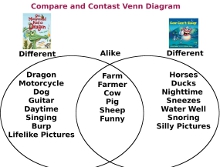
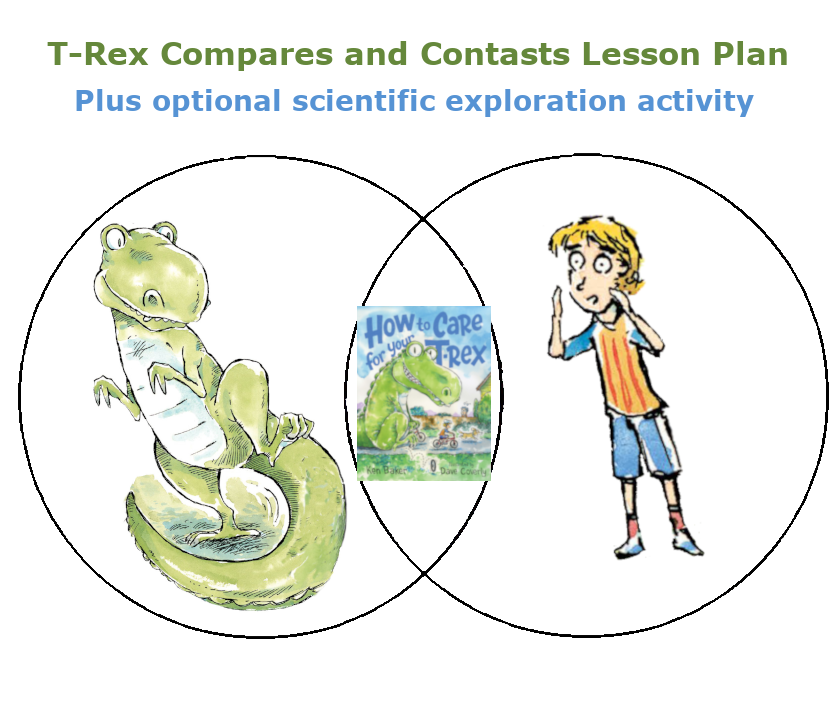
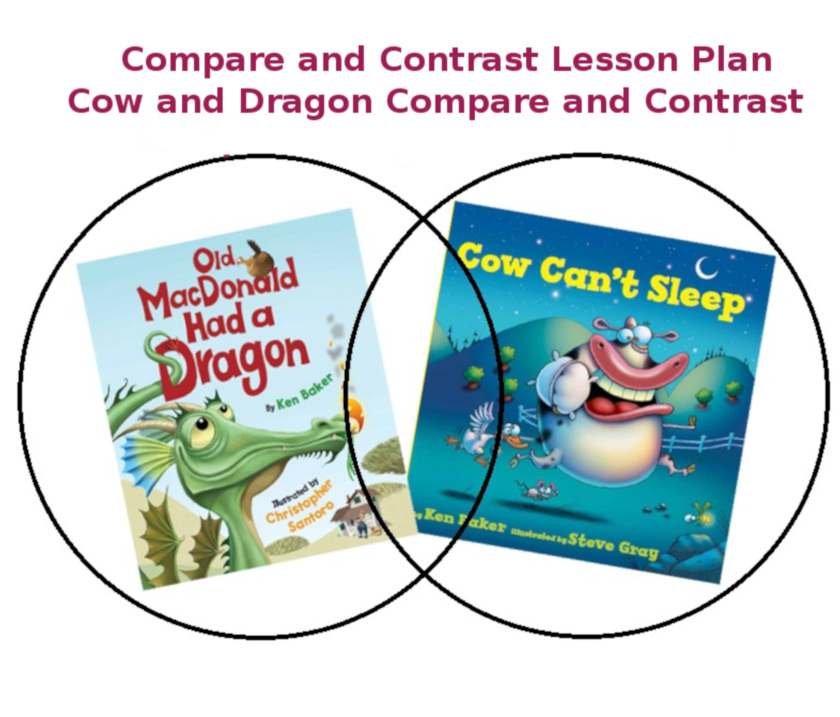
Step 3 - Create a Compare and Contrast Venn Diagram
Explain that sometimes it helps to see
the similarities and differences between things by creating what is
called a Venn diagram. Create a Venn diagram on the board by drawing a
circle that encloses all words under Alike and all the words under
the left side Differences . Draw a second circle that encloses all
words under Alike and all the words under the right side
Differences . Explain that where the circles overlap shows the items
similarities, and where they don t overlap shows the differences.
Optional Reinforcement and Assessment of Students Understanding of Comparing and Contrasting
Give each student a copy of the
Compare and Contrast Create-Your-Own Venn Diagram Handout. Ask them to
use the handout to make their own Venn diagrams, listing the
similarities and differences between the characters and items on
handout from the picture books you read to them (i.e. sheep vs. wool
blanket, ducks vs. pillows, farmer vs. farmer) and then drawing circles
around them to form Venn diagrams.
Have the students share the differences and similarities that they
listed. Discuss and make any needed additional explanations about
comparing and contrasting to reinforce students' understanding.
Optional Advanced reinforcement and assessment - Comparing and contrasting text within a story
Explain to the students that comparing and contrasting can also help
them identify things that are similar, but have slight differences
(Note: similar and but are helpful words that students can use when
comparing and contrasting). Explain to the students that the book Old
MacDonald had a Dragon has several repeating phrases that are very
similar, but with slight differences. Tell them that as you read the
book to the students, that they should listen for those repeating
phrases. Tell them that whenever you start to say a certain repeating
phrase, that you want them to say it aloud with you. But also have them
pay attention to the slight differences between each repeating phrase.
To print this lesson plan: Download a printer-friendly PDF version of the Compare and Contrast Lesson Plan with handouts
Stay up-to-date on my books and what I'm working on.
Copyright 2001-2025 by Ken Baker
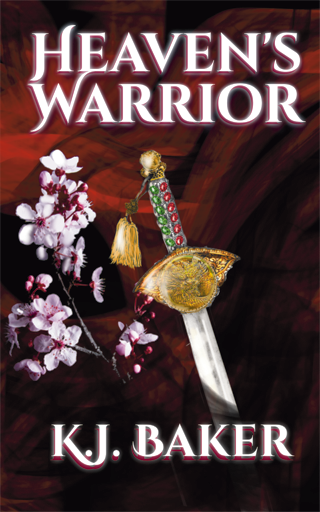
Heaven's Warrior cover by Ken Baker
Old MacDonald had a Dragon pictures by Christopher Santoro
Brave Little Monster pictures by Geoffrey Hayes
Cow Can't Sleep pictures by Steve Gray
How to Care for your T-Rex pictures by Dave Coverly